


Steel Racks vs Aluminum Racks – Which Should You Choose for Your Warehouse?


In modern warehouse and logistics management, a well-organized warehouse layout is essential for optimizing space, improving operational efficiency, and reducing costs. Understanding the differences in steel vs aluminum rack properties is vital. Choosing the right type of rack—starting with a detailed comparison of steel racks & aluminum racks – is a crucial step before investing in a storage system.
Both materials have their own advantages and limitations, suitable for different requirements. In Vietnam, BHD – Palletrack.vn provides rack solutions combined with expert warehouse layout consulting, helping businesses maximize space utilization, optimize operational efficiency, and ensure the safety of stored goods.
1. Overview of Steel and Aluminum Racks
Steel Racks
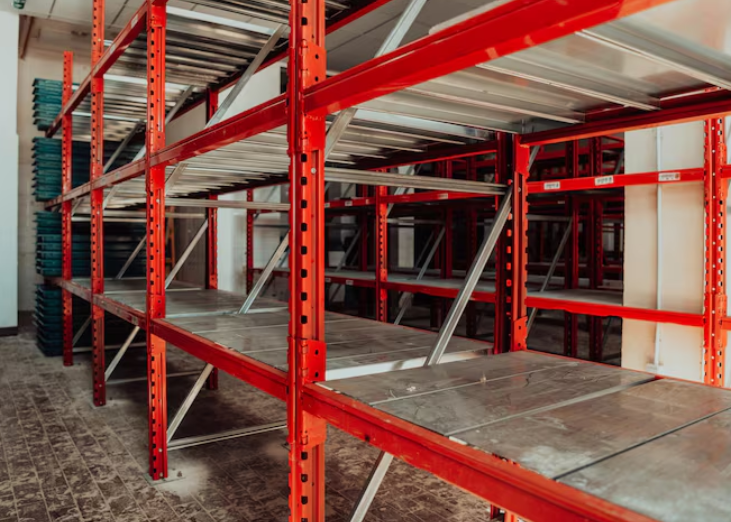
Steel racks are made from cold-rolled steel or galvanized steel, offering high load-bearing capacity, making them suitable for heavy goods or large pallets. Steel racks are commonly used in industrial warehouses, manufacturing plants, and large logistics facilities. Their main advantages include high mechanical strength, long service life, superior load capacity, and the ability to be customized according to actual weight requirements.
Aluminum Racks
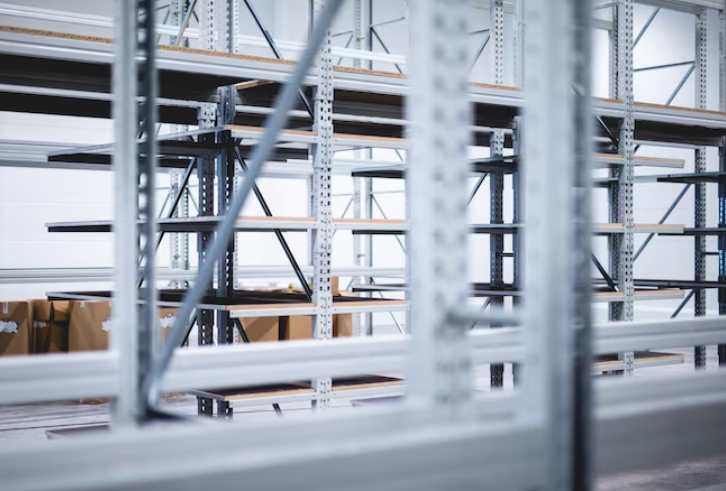
Aluminum racks are lightweight, corrosion-resistant, and easy to assemble, disassemble, and move. They are ideal for warehouses storing light goods, needing frequent layout changes, or operating in high-humidity environments. However, aluminum racks have limited load-bearing capacity and are not suitable for heavy pallets or goods with substantial weight.
=>This detailed comparison of steel racks & aluminum racks is the foundational step toward effective infrastructure planning. The choice between steel vs aluminum rack dictates load capacity and environmental resilience. By analyzing these fundamental material properties, businesses can ensure their storage system directly supports their operational goals, avoiding costly errors associated with mismatching material strength to required load or environmental factors, thereby locking in long-term efficiency and safety.
Understanding these characteristics allows businesses to design and organize their warehouses efficiently, optimize pallet rack systems, maximize storage space, enhance operational productivity, and minimize risks during warehouse operations.
2. Weight and Mobility
- Steel Racks: Heavy, sturdy, and difficult to move once installed. Their advantage lies in providing absolute stability for heavy pallets, minimizing vibrations and operational risks. However, if the warehouse layout needs to be changed, relocating steel racks requires labor and specialized lifting equipment, increasing both cost and time.
- Aluminum Racks: Lightweight, easy to assemble, disassemble, and relocate. Ideal for warehouses requiring flexible arrangements or temporary setups. Aluminum racks can be installed quickly without heavy equipment, suitable for warehouses that frequently change layouts.
When evaluating weight and mobility, these factors are critical in determining warehouse flexibility. Lightweight and easily movable racks allow for optimized space utilization, rapid layout adjustments when necessary, while also reducing operational costs and minimizing risks during handling and storage.
The strategic choice regarding weight defines the long-term adaptability of the facility. This aspect of the comparison of steel racks & aluminum racks is crucial: facilities requiring permanence and maximizing high-load safety favor steel, whereas dynamic environments prioritize aluminum for rapid reconfiguration.
Deciding between a heavy steel vs aluminum rack ultimately balances absolute stability against the need for agile, cost-effective warehouse layout changes.
3. Load Capacity
- Steel Racks: Steel racks excel in high load-bearing capacity, with each level supporting anywhere from several hundred kilograms to several tons, depending on the design and type of steel used. They are ideal for storing large pallets, small containers, or heavy materials such as cement, steel sheets, and steel pipes.
- Aluminum Racks: In contrast, aluminum racks are lightweight, easy to move and install, but have significantly lower load capacity compared to steel racks. They are typically suitable for light to medium-weight goods, such as electronic components, pre-packaged products, and office supplies.
When comparing steel and aluminum racks, load-bearing capacity is one of the most critical criteria. Businesses should consider the type of goods, planned number of rack levels, turnover frequency, and warehouse layout to select the appropriate rack type.
Miscalculating load capacity is a common warehouse rack design mistake, potentially leading to structural damage, higher maintenance costs, and compromised safety. Choosing the right rack helps optimize space, protect goods and personnel, and reduce long-term operational costs.
Load capacity is the primary safety and efficiency differentiator in the comparison of steel racks & aluminum racks. The robust strength of the steel racks is indispensable for heavy-duty applications, while the limited capacity of the aluminum racks dictates its use for lighter, flexible storage environments. Therefore, the decision between a high-capacity steel vs aluminum rack must be informed by precise engineering data to prevent structural failure and ensure the system maximizes both safety and storage density.
4. Durability and Maintenance
- Steel Racks: Steel racks are renowned for their high durability, with an average lifespan of 10–15 years when properly maintained. They require anti-corrosion paint or galvanization, and periodic inspection of bolts, welds, and the rack frame to ensure safety for both goods and personnel.
- Aluminum Racks: Conversely, aluminum racks are highly corrosion-resistant, do not rust, and require minimal maintenance, reducing routine operational costs. However, their load-bearing capacity is significantly lower than steel, especially when storing heavy goods or large quantities of pallets.
For businesses prioritizing longevity and high load capacity, steel racks remain the optimal choice. Aluminum racks are better suited for smaller warehouses, flexible layouts, or light-to-medium weight storage, offering convenience and rapid reconfiguration of storage space.
The choice of material directly translates into long-term Total Cost of Ownership (TCO). This crucial aspect of the comparison of steel racks & aluminum racks forces a decision between steel’s high durability requiring maintenance versus aluminum’s low maintenance and inherent corrosion resistance.
Ultimately, the decision of whether to deploy a heavy-duty steel vs aluminum rack system is determined by balancing the warehouse environment (humidity) with the investment priority (longevity versus flexibility).

5. Investment and Maintenance Costs
- Steel Racks: Initial investment is higher compared to aluminum, but due to their long lifespan and high load-bearing capacity, steel racks significantly reduce replacement and repair costs over the long term. Routine maintenance mainly involves inspecting welds, bolts, and anti-corrosion coatings to ensure safe and stable operation.
- Aluminum Racks: Aluminum racks are more cost-effective upfront, quick and easy to install, making them suitable for warehouses that require frequent reconfiguration or temporary setups. However, as storage demands increase or expansion is needed, aluminum racks may need to be replaced sooner, generating additional costs.
Businesses should carefully plan their warehouse layout to select the rack type that aligns with the current budget, desired utilization efficiency, and future expansion plans. Coupled with a structured maintenance schedule, this approach helps extend equipment lifespan and ensures safe long-term warehouse operations.
The financial implications are a key determinant in the comparison of steel racks & aluminum racks. While the initial cost favors aluminum, long-term ROI often favors the robust durability of steel racks in heavy-duty environments.
Therefore, the strategic decision on steel vs aluminum rack investment must transcend the immediate budget, focusing instead on the Total Cost of Ownership (TCO) relative to the expected lifespan and evolution of the warehouse’s operational needs.
6. Practical Applications
Steel Racks
- Heavy-duty industrial warehouses with large pallet volumes.
- Manufacturing plants and large logistics centers.
- Storage of construction materials, small containers, and heavy pallets.
Aluminum Racks
- Warehouses storing light goods or electronic components.
- Temporary storage that requires frequent layout changes.
- Humid environments where corrosion resistance, easy assembly, and mobility are priorities.
Choosing the appropriate rack type not only optimizes storage space and operational efficiency but also reduces the risk of product damage, improves workflow, and ensures staff safety. Therefore, before investing, businesses should carefully evaluate these factors, consult experts from reputable suppliers like BHD – Palletrack.vn, and plan a scientifically organized warehouse layout to maximize long-term utilization and return on investment.
The detailed comparison of steel racks & aluminum racks ultimately serves as a guide for strategic resource allocation. The final decision between steel vs aluminum rack must align the unique properties of the chosen material (load capacity, durability, mobility) with the warehouse’s specific operational demands and long-term goals.
Consulting experts ensures that this choice maximizes safety, storage density, and operational flow, transforming the warehouse infrastructure into a key competitive asset.

7. Operational Safety
- Steel Racks: This type of rack offers high load-bearing capacity but also carries significant risk if not properly maintained. Businesses must adhere to strict technical standards, including regular inspections of bolts, welds, and support beams, ensuring the rack remains stable before use.
- Aluminum Racks: The key advantage is their lightweight structure, ease of installation, and lower risk of structural failure. However, companies must still respect the maximum allowable load per tier. Heavy items or large pallet quantities should not exceed limits, as this can cause rack deflection or reduce material lifespan.
In a scientifically organized warehouse, rack safety is always a top priority. Areas with heavy-duty steel racks should have optimized traffic flow, preventing collisions with forklifts, and display load-capacity signage. Combining thoughtful design, regular maintenance, and adherence to load limits helps businesses minimize risk and ensure the safety of both goods and personnel.
8. Recommendations for Rack Selection
Determine the weight and type of goods
Before selecting racks, businesses need to accurately assess the weight, dimensions, and characteristics of the goods. Heavy items such as construction materials or large pallets are suitable for high-load steel racks, while lighter goods like electronic components, packaged items, or dry food can use aluminum racks. Correctly identifying the type of goods helps optimize rack lifespan, reduce damage risk, and ensure warehouse safety.
This prerequisite step is essential for leveraging the insights gained from the comparison of steel racks & aluminum racks. A failure to accurately match product specifications to material capacity immediately voids the benefits of an optimized system, creating safety hazards and maintenance liabilities.
The fundamental choice of steel vs aluminum rack must be driven by this careful inventory analysis, ensuring the investment precisely meets the physical demands of the stored goods
Choose the appropriate rack type to ensure lifespan and cost efficiency
When choosing racks, consider long-term usage goals and investment budget. Steel racks have higher upfront costs but offer long service life, high load-bearing capacity, and low replacement frequency.
Conversely, aluminum racks are lower-cost, easy to move, suitable for small warehouses or frequently reconfigured layouts, but their maximum load must be monitored to prevent damage. Selecting the right type of rack reduces maintenance costs, optimizes operations, and enhances storage efficiency, aligning with modern warehouse practices.
This material selection phase synthesizes the insights derived from the detailed comparison of steel racks & aluminum racks. The final decision on the steel vs aluminum rack system must reflect a clear understanding of the Total Cost of Ownership (TCO), balancing initial budget constraints against the long-term operational benefits and structural demands, thereby ensuring the racking system supports the warehouse’s strategic financial goals.
Combine steel and aluminum racks for diverse warehouse needs
In warehouses storing various goods with different weights and turnover rates, businesses should consider combining steel and aluminum racks. For example, use steel racks for heavy pallet areas and aluminum racks for lightweight items, components, or temporary storage.
This combination maximizes storage space, increases flexibility, reduces investment costs, and ensures smooth warehouse operations. Adopting a hybrid system is the most sophisticated outcome of the comprehensive comparison of steel racks & aluminum racks. This tailored approach leverages the distinct benefits of both materials: the durability of steel and the flexibility of aluminum.
This strategic blending avoids the limitations of relying on a single type, proving that the optimal solution often transcends a simple steel vs aluminum rack choice and instead focuses on creating a perfectly balanced, heterogeneous storage infrastructure.
9. Conclusion
Comparing steel and aluminum racks is a crucial step in optimizing an industrial warehouse. Choosing the right type of rack helps to:
- Maximize storage space.
- Reduce goods handling and transfer time.
- Enhance operational efficiency.
- Ensure safety and lower maintenance costs.
BHD – Palletrack.vn provides consultation and recommendations tailored to each type of rack. Businesses should combine their actual warehouse needs with projected growth to make informed and strategic investment decisions.
Contact BHD – Palletrack.vn now for customized design solutions!


