


Push Back Racking System – Flexible Storage, Faster Inbound and Outbound Operations


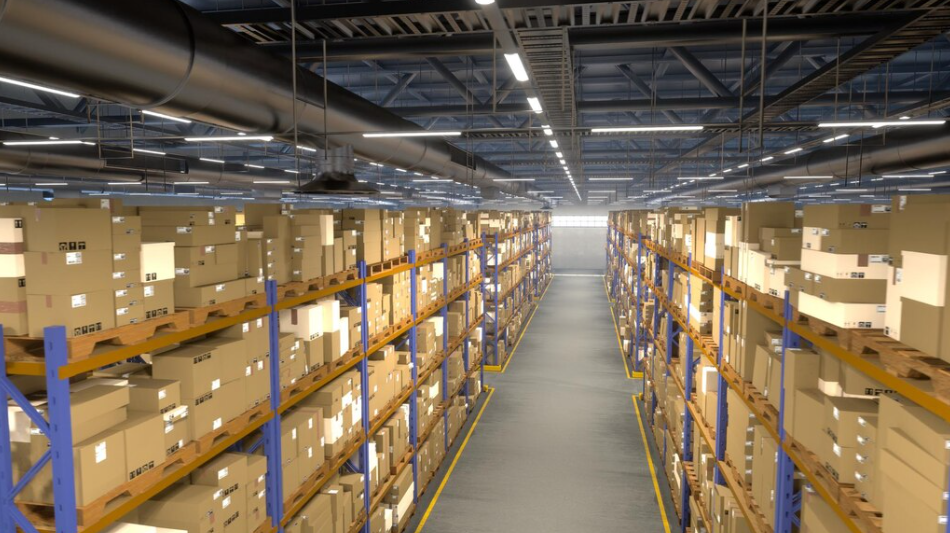
Push back pallet racking are an advanced storage solution designed to optimize warehouse layout and enhance operational efficiency. Unlike traditional racks, push back pallet racks allow multiple pallets to be stored in depth, while operators only need to work from a single aisle for loading and unloading.
Thanks to the natural “push back” mechanism, the pallets at the back automatically move forward when the front pallet is removed, creating a continuous flow of inventory. This reduces handling time and maximizes warehouse space utilization. According to BHD – Palletrack.vn, push back racks are becoming a popular trend among businesses aiming to reduce costs and boost operational productivity.
1. Structure and Operating Principle of Push Back Pallet Racks
Push back pallet racks are designed based on dynamic and gravity-driven rack systems, utilizing gravitational force to move pallets toward the aisle. The system consists of:
Upright Frames
The upright frames bear the full weight of stacked pallets and serve as the main support columns for the entire push back rack system. Made from sturdy steel, the frames ensure that the racks do not tilt, bend, or deform under heavy loads, providing a stable foundation for other components.
Horizontal Beams
Horizontal beams connect the upright frames and directly support the pallets. They distribute the pallet weight evenly onto the uprights, reducing the risk of sagging or damage. Beams also maintain consistent spacing between uprights, ensuring smooth pallet movement along the push back mechanism.
Slide Rails
Slide rails guide pallets along the push back mechanism. When the front pallet is removed, the pallets behind automatically move forward. Precisely engineered rails ensure smooth, jam-free movement and improve the efficiency of loading and unloading operations.
Support Bars and Wire Decking
Support bars and wire decking create a stable surface for pallets, evenly distributing weight across the horizontal beams. This setup keeps pallets balanced, reducing the risk of tipping, sagging, or product damage. It also enhances the overall durability of the rack, ensuring safe and efficient warehouse operations.
Operating Principle
Push back racks operate using gravity combined with slide rails. When a front pallet is removed, the pallet behind, positioned on inclined rails, automatically moves forward into the empty space. This continuous, smooth flow minimizes manual intervention while enabling fast and efficient inbound and outbound operations.

2. Advantages of Push Back Pallet Rack
Space Optimization
Push back pallet racks allow multiple pallets to be stacked deep into the warehouse while maintaining a single access aisle, increasing storage capacity by 40–60% compared to traditional racks. When combined with dynamic rack systems, pallets move smoothly, reducing wasted space and maximizing warehouse height utilization.
Reduced Loading and Unloading Time
Thanks to the mechanism that automatically moves pallets toward the aisle, push back racks can reduce handling time by 25–30%. This system is especially effective in high-frequency warehouses, improving operational efficiency and minimizing errors.
Enhanced Warehouse Safety
Using push back racks together with dynamic and gravity rack systems helps reduce collisions, keeps pallets stable, and minimizes the risk of rack collapse. This is a key solution for improving warehouse safety, protecting both goods and personnel during handling operations.

3. Applications of Push Back Pallet Rack Systems
Push back pallet racks are suitable for various types of warehouses, particularly:
- FMCG Warehouses: For fast-moving products with short shelf life that require frequent loading and unloading.
- Frozen Food Warehouses: Maximizes warehouse depth, reduces aisle space while still ensuring FIFO (First-In-First-Out) management.
- Heavy Industrial Warehouses: For heavy goods that require a robust dynamic rack system.
Implementing push back racks along with protective accessories, guardrails, and wire decking ensures smooth warehouse operations, reduces maintenance costs, and aligns with modern storage trends.
This system is especially effective in warehouses with limited space or where maximizing pallet storage is essential. With a well-designed layout, pallets can be stacked neatly, fully utilizing warehouse height while maintaining operational safety. The automatic push-back mechanism minimizes staff movement, reduces collision risks, and increases loading/unloading efficiency.
Additionally, push back racks offer flexibility for warehouse expansion or layout adjustments, helping businesses quickly adapt to changing storage needs and keep pace with smart warehouse trends. Combining push back racks with protective accessories and wire decking provides an ideal solution to save space, improve operational efficiency, and reduce long-term maintenance costs.
Consequently, the overall Return on Investment (ROI) for adopting a well-planned push back pallet racking setup is remarkably high. This is due to the dual advantage of reduced labor hours (thanks to minimal aisle access required) and maximized storage density (meaning less expenditure on facility expansion).
Furthermore, for products with long shelf lives, the inherent LIFO (Last-In, First-Out) inventory control associated with push back pallet racking simplifies management while keeping the handling equipment and personnel outside the racking structure, significantly cutting down on wear and tear of both the system and the materials.
4. Accompanying Accessories
To optimize operation and safety, push back pallet racks are typically equipped with the following essential accessories:
- Connector Bars: Maintain spacing and link upright frames, enhancing rigidity and overall stability.
- Support Beams: Support pallets, distribute loads evenly, and reduce the risk of pallet sagging or breaking.
- Upright Protectors: Prevent collisions from forklifts and extend the lifespan of rack frames.
- Guardrails: Prevent direct impacts from forklifts or other equipment, protecting aisles and rack columns.
- Wire Decking: Distributes weight and prevents pallets from falling, improving overall safety.
With these accessories, push back pallet rack systems not only operate smoothly but also allow easier maintenance and future warehouse expansion — avoiding common design mistakes like instability or underutilized space.
Selecting the right accessories also significantly reduces risks during loading and unloading while ensuring rack safety for both staff and goods. When combined effectively with a well-planned warehouse layout, connector bars, support beams, upright protectors, guardrails, and wire decking help optimize space, enhance operational efficiency, and align with modern storage management trends.
To maintain this level of peak performance and safety over the long term, regular inspection and upkeep of the moving parts within the push back pallet racking system are crucial. Rollers, carts, and mounting hardware should be checked periodically to ensure smooth operation and prevent costly downtime.
Investing in robust impact protection accessories, such as heavy-duty end-of-row protectors and column guards, is particularly vital to mitigate damage from forklift impact. This proactive maintenance strategy, combined with the inherent structural integrity of quality push back pallet racking, guarantees maximum lifespan and continuous efficiency, solidifying its role as a premium, long-term investment for high-throughput warehousing operations.
5. Detailed Benefits of Implementing Push Back Pallet Racks
Increased Operational Efficiency
Push back pallet racks reduce loading and unloading time, thanks to the automatic advancement of the rear pallets when the front pallets are removed. Combined with accessories like connector bars and support beams, the flow of goods becomes smooth, minimizing congestion and errors in the warehouse. This shortens processing time and enhances employee productivity.
Space Optimization
By utilizing the depth and height of the warehouse, the combination of dynamic racks and gravity racks with support beams, wire decking, and sliding rails allows for storing more pallets within the same floor space. This not only increases warehouse capacity but also ensures evenly distributed and easily accessible goods, reducing design mistakes in warehouse layout.
Enhanced Safety
Accessories such as upright protectors, guardrails, and wire decking reduce the risk of collisions, pallet falls, or rack collapse. This protects both goods and warehouse staff, meeting modern rack safety standards.
Reduced Maintenance Costs
With complete accessories, the rack structure remains stable, minimizing damage from impacts or overloading. As a result, businesses significantly reduce repair and replacement costs while saving time on regular maintenance.
Easy Expansion
Push back pallet racks and accompanying accessories are designed flexibly, allowing adjustments or additions when storage capacity needs to be increased. This enables warehouses to quickly adapt to changing requirements while minimizing risks and costs, aligning with modern smart warehouse trends.
=> Investing in the right push back pallet system and accessories allows businesses to operate according to smart warehouse principles, reduce technical risks, optimize space, enhance safety, and maximize profitability.
6. Featured Case Study
BHD – Palletrack.vn implemented a push back pallet rack system for Company A, integrating both dynamic racks and gravity racks. The results were impressive:
- Storage Capacity Increase: Expanded warehouse storage by 45% without enlarging the facility.
- Faster Pallet Handling: Reduced pallet loading and unloading time by 28%.
- Enhanced Safety: Lowered rack frame collision risks by over 70%, ensuring warehouse safety.
This project clearly demonstrates the effectiveness of modern storage trends, helping the company reduce operational costs while maintaining a sustainable and efficient warehouse.
7. Criteria for Choosing a Push Back Pallet Rack
When investing in a push back pallet rack system, consider the following:
- Determine Load Capacity and Type of Goods: Heavy items require a robust dynamic rack system.
- Consider Turnover Frequency: Areas with high inbound/outbound activity need an efficient push back mechanism.
- Warehouse Size and Structure: The system should suit the warehouse depth and the expected number of pallets.
- Select a Trusted Provider: BHD – Palletrack.vn offers integrated solutions, including rack maintenance and warehouse design consulting.
Following these criteria helps businesses avoid common warehouse rack design mistakes, reduce costs, and optimize modern smart warehouse trends.
8. Conclusion
The push back pallet rack system, combined with dynamic and gravity racks, offers a modern storage solution that saves loading and unloading time, increases warehouse capacity, and enhances rack safety. When implemented strategically with the right accessories, businesses can leverage modern storage trends, optimize space, reduce operating costs, and easily expand their warehouse in the future.
This makes it an ideal choice for any company aiming to operate a professional, efficient, and sustainable warehouse.
Maximize Your Warehouse Potential With BHD – Palletrack.vn Today!


